
by Dr Andeza De Souza Santos
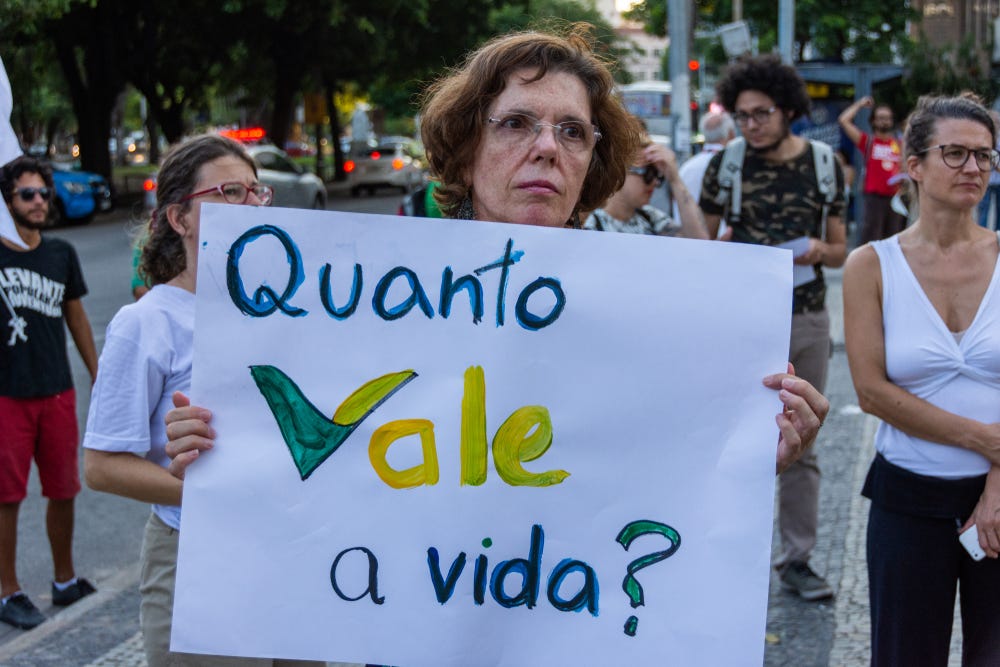
Living in the Iron Quadrangle in Minas Gerais means living in a landscape shaped by mining. The region’s Baroque towns, built during Brazil’s colonial gold rush, now draw visitors to their churches, museums and university buildings.
Mariana, one of these towns, sits at the crossroads of tourism, heritage and large‑scale mineral extraction. For many people outside Brazil, however, Mariana only entered public consciousness in 2015, when the Fundão tailings dam collapsed and unleashed one of the most devastating environmental disasters in the nation’s history.
Millions of tonnes of toxic sludge surged through the Rio Doce basin, killing 19 people, destroying homes and polluting waterways all the way to the Atlantic. Entire houses were buried. The disaster revealed long‑standing tensions between extractive industries and the communities living beside them.
It also exposed the fragility of a local economy where mining provides revenue but few direct jobs, while tourism sustains employment but depends heavily on the town’s stability and beauty.
After the collapse, the silence left by absent tourists was unsettling. Mining revenues, which funded essential public services, dwindled. Tourism jobs vanished. People found themselves unable to rely on the very services whose budgets had evaporated. The city felt suspended in time.
What struck me most was the exhaustion in people’s expressions, shaped by generations of living beside wealth that mining created but rarely shared. Their search for answers and recognition was not new, but it carried a renewed sense of urgency after Brazil’s largest environmental disaster.
In Brazil, waiting for justice is both political and economic. Finance litigation has emerged as one response to this reality. It allows victims who cannot afford legal fees to be represented by firms funded through financial markets, which recover costs only if the case succeeds. This mechanism would become central to what followed in Mariana.
The collapse led to one of the largest environmental litigation cases in history. More than 700,000 claimants were represented by a single law firm that operated at no direct cost to victims. The path from local disaster to international courtroom is complex. It begins with colonial histories of extraction, continues with multinational joint ventures and extends to international legal practices financed through global markets.
Ultimately, the trial took place in London, governed by Brazilian environmental law but shaped by transnational legal processes.
My new British Academy funded project follows this extraordinary development. Through systematic courtroom observations, legal archives, media analysis and interviews in Brazil and London, I examine how sovereignty has been used, contested and reshaped throughout the proceedings.
In Brazil, political and corporate leaders framed the lawsuit as a threat to national sovereignty, claiming it undermined the Brazilian justice system. Yet sovereignty is rarely invoked when foreign capital enters the country or when multinational companies extract resources and profits. It is most loudly defended when claims cross borders.
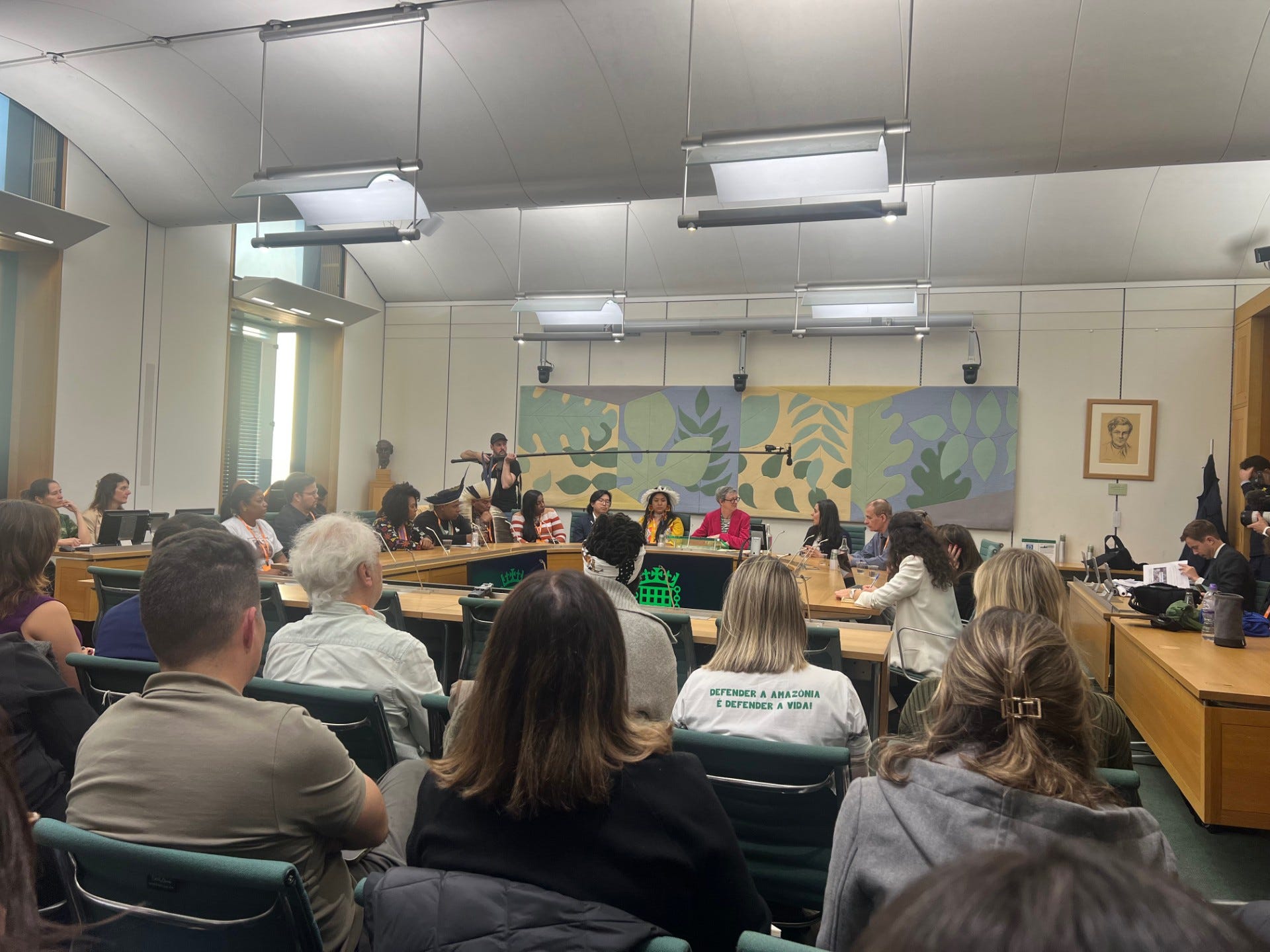
Quilombola and Indigenous groups seeking justice abroad confront their own contradictions. International institutions have not always safeguarded their interests, yet foreign courts may offer a path to recognition. Law firms funded by financial markets also complicate traditional ideas about representation, revealing the entanglement of justice and global capital.
This trial is historic not only for the scale of harm but for the narratives it produces and resists. Sovereignty emerges not as a fixed principle but as a political and emotional terrain negotiated between governments, corporations and communities. As I continue interviews in Minas Gerais, I am struck by the courage of those who travelled to London despite criticism that they were acting against the nation. Their struggle reveals how development, dependency and resistance shape one another in ways that create no easy heroes or villains.
The fight for justice after Mariana is not only about environmental repair. It is about who defines a nation’s future and whose voices matter when harm is done.
Dr Andreza Aruska de Souza Santos is the Director of the King’s Brazil Institute and Associate Professor in Brazil and Latin American Studies at King’s College London. Her research focuses on participatory politics, inequalities and local governance. She is the author of The Politics of Memory: Urban Cultural Heritage in Brazil and was recently awarded a British Academy grant to pursue this research.